
In today’s fast-paced supply chain environment, delivery speed is no longer a competitive advantage—it is an expectation. For manufacturers, distributors, and logistics managers operating across Nigeria and Africa, optimizing distribution routes is one of the most effective ways to improve delivery timelines, reduce costs, and increase customer satisfaction.
However, route optimization in this region is not straightforward. Challenges such as traffic congestion, poor road infrastructure, fuel price volatility, and inconsistent delivery networks make planning efficient routes more complex.
This article explores practical, real-world strategies businesses can use to optimize distribution routes for faster and more reliable deliveries.
Why Route Optimization Matters
Route optimization is the process of determining the most efficient paths for delivering goods from origin to destination. It goes beyond simply choosing the shortest route—it considers multiple variables such as:
- Traffic conditions
- Road quality
- Delivery time windows
- Vehicle capacity
- Fuel efficiency
- Safety and security
According to logistics research, optimized routing can significantly reduce fuel costs, improve delivery times, and enhance fleet productivity.
For businesses operating across multiple cities or states, even small improvements in routing can translate into major operational gains.
1) Use Route Optimization Technology
Manual route planning is no longer sufficient for modern logistics operations.
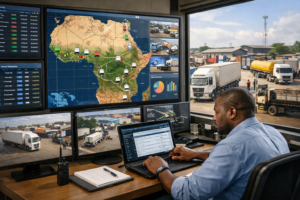
Route optimization software uses algorithms to calculate the most efficient delivery paths based on real-time and historical data. These tools consider:
- Traffic patterns
- Road conditions
- Delivery schedules
- Vehicle constraints
Platforms such as Google Maps, Route4Me, and OptimoRoute help logistics teams automate route decisions and reduce planning time.
By using these tools, businesses can reduce guesswork and make data-driven routing decisions.
2) Plan Routes Based on Delivery Clusters
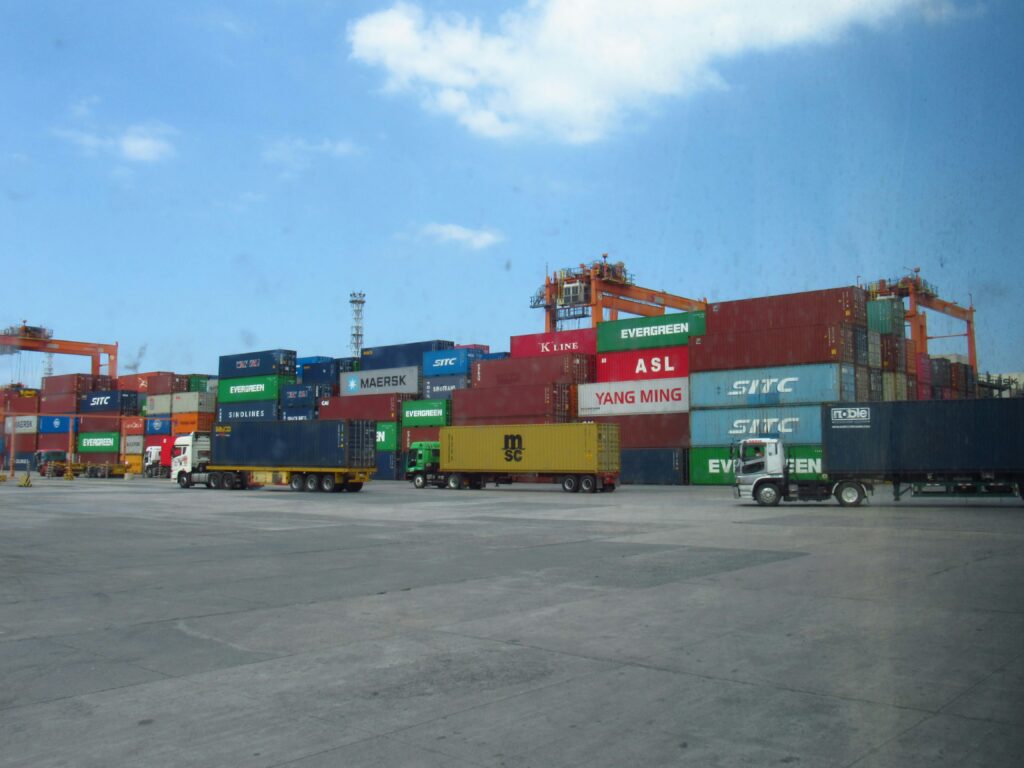
One of the simplest ways to improve efficiency is by grouping deliveries based on geographic proximity.
Instead of sending trucks across multiple unrelated locations, businesses should:
- Cluster deliveries within the same region
- Assign routes based on zones or territories
- Minimize unnecessary cross-city movement
This reduces travel distance, saves fuel, and allows drivers to complete more deliveries within a shorter timeframe.
3) Factor in Real-Time Traffic Conditions
Traffic congestion is a major cause of delivery delays, especially in urban areas like Lagos, Abuja, and Port Harcourt.
To reduce delays:
- Monitor live traffic updates
- Adjust routes dynamically during transit
- Schedule deliveries outside peak traffic hours
- Use alternative roads where possible
Real-time traffic data helps logistics teams avoid bottlenecks and maintain consistent delivery timelines.
4) Optimize Delivery Scheduling
Route efficiency is closely linked to delivery timing.
Businesses should:
- Prioritize urgent or time-sensitive deliveries
- Schedule deliveries based on customer availability
- Allocate realistic delivery windows
- Avoid overloading drivers with unrealistic schedules
Well-structured delivery schedules reduce idle time, missed deliveries, and repeated trips.
5) Minimize Empty Return Trips (Backhauling)
Empty return trips—also known as dead miles—are one of the biggest inefficiencies in logistics.
To optimize routes:
- Plan return loads for trucks
- Partner with other businesses for shared logistics
- Use digital freight platforms to find backhaul opportunities
Reducing empty miles improves truck utilization and lowers overall transportation costs.
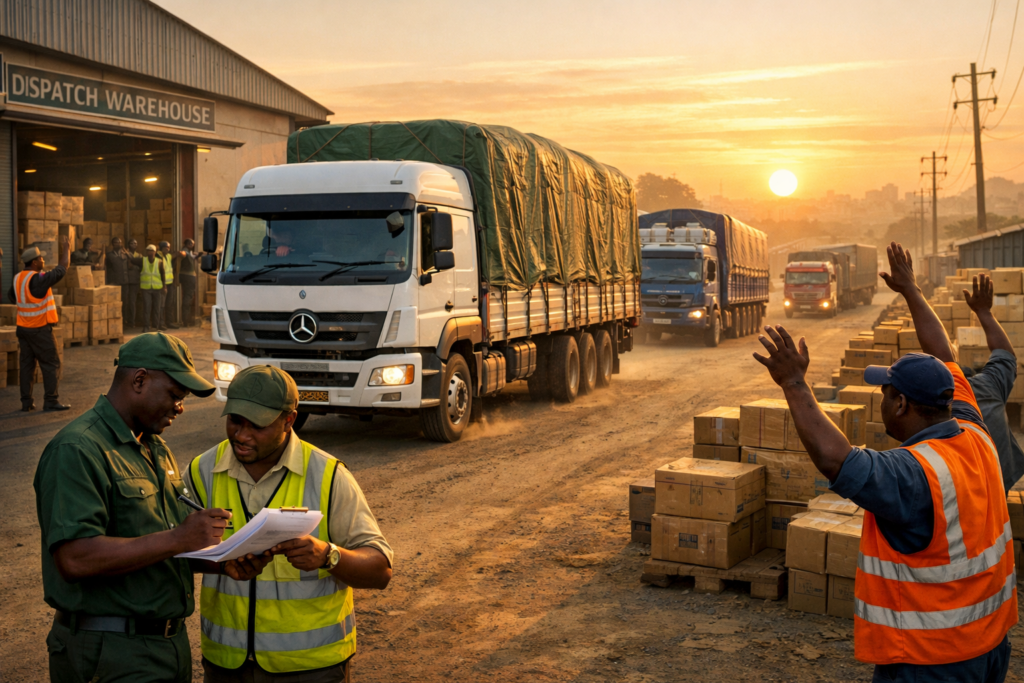
6) Match Vehicle Type to Route and Load
Not all vehicles are suitable for every route.
For example:
- Smaller trucks are better suited for urban deliveries with narrow roads
- Heavy-duty trucks are ideal for long-haul interstate routes
- Refrigerated trucks are necessary for perishable goods
Matching the right vehicle to the route ensures smoother movement, reduces delays, and improves delivery efficiency.
7) Analyze Historical Delivery Data
Past delivery data provides valuable insights into route performance.
Businesses should analyze:
- Average delivery times per route
- Frequent delay points
- Fuel consumption patterns
- Driver performance
Using this data, logistics teams can refine routes, eliminate inefficiencies, and improve planning accuracy over time.
8) Train Drivers on Route Efficiency
Drivers play a critical role in route optimization.
Training should focus on:
- Route familiarity
- Efficient driving techniques
- Time management
- Fuel-efficient driving practices
Experienced drivers who understand their routes can make better decisions on the road, avoid delays, and improve delivery speed.
9) Integrate Warehouse and Distribution Planning
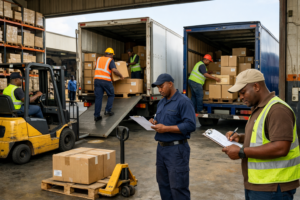
Route optimization starts at the warehouse.
Poor loading processes can disrupt even the best routes. To improve efficiency:
- Load trucks based on delivery sequence
- Ensure proper labeling and documentation
- Reduce loading and unloading time
When warehouse operations align with route planning, deliveries become faster and more organized.
10) Use Real-Time Tracking and Monitoring
Real-time tracking systems allow businesses to monitor deliveries as they happen.
With tools like Samsara and Fleet Complete, companies can:
- Track vehicle location
- Monitor delivery progress
- Identify delays instantly
- Communicate with drivers
This visibility enables faster decision-making and better control over distribution operations.
11) Build Flexible and Scalable Routing Systems
Distribution needs can change due to demand fluctuations, seasonal trends, or unexpected disruptions.
Flexible routing systems allow businesses to:
- Adjust routes quickly
- Scale operations during peak periods
- Respond to last-minute delivery requests
Combining fixed routes with dynamic routing ensures both stability and adaptability.
12) Monitor Key Route Performance Metrics
To continuously improve route efficiency, businesses should track:
- On-time delivery rate
- Average delivery time
- Fuel cost per trip
- Distance per delivery
- Number of deliveries per route
These metrics provide insights into what’s working and where improvements are needed.
Common Mistakes to Avoid
Many businesses struggle with route optimization because of avoidable mistakes:
- Relying solely on manual planning
- Ignoring traffic and road conditions
- Overloading delivery schedules
- Failing to analyze performance data
- Not using technology
Avoiding these pitfalls can significantly improve delivery speed and efficiency.
The Business Impact of Route Optimization
Optimizing distribution routes delivers measurable benefits:
- Faster delivery times
- Lower fuel and operational costs
- Improved customer satisfaction
- Better fleet utilization
- Increased delivery capacity
For growing businesses, these improvements can directly impact profitability and competitiveness.
Conclusion
Optimizing distribution routes is one of the most powerful ways to improve delivery performance in modern logistics. In regions like Nigeria and across Africa, where infrastructure and traffic challenges exist, smart routing strategies are essential.
By leveraging technology, analyzing data, training drivers, and aligning warehouse operations with delivery plans, businesses can significantly reduce delays and operate more efficiently.
In today’s logistics environment, faster deliveries are not achieved by working harder—they are achieved by planning smarter routes.
References & Outbound Links
- Supply Chain Digital — Route optimization and logistics efficiency
https://www.supplychaindigital.com/technology - McKinsey & Company — Improving supply chain performance
https://www.mckinsey.com/capabilities/operations/our-insights - Fleet Complete — Fleet tracking and route optimization
https://www.fleetcomplete.com - Samsara — Fleet management and route optimization solutions
https://www.samsara.com - Route4Me — Route planning and optimization software
https://www.route4me.com