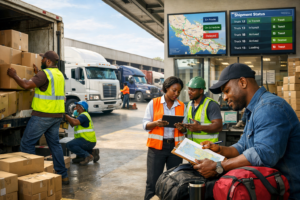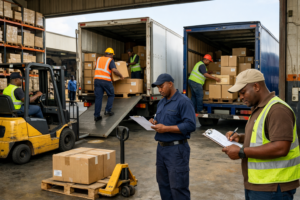

Introduction: The Economy Moves Before the Headlines Do
Before a supermarket shelf is stocked.
Before a construction site begins work.
Before a factory hits production targets.
A truck has already moved.
In Nigeria, over 90% of goods are transported by road, making trucking the silent engine behind trade, manufacturing, agriculture, and infrastructure (World Bank Logistics Performance Index). Yet despite its importance, trucking has historically been treated as a background function — fragmented, informal, and reactive.
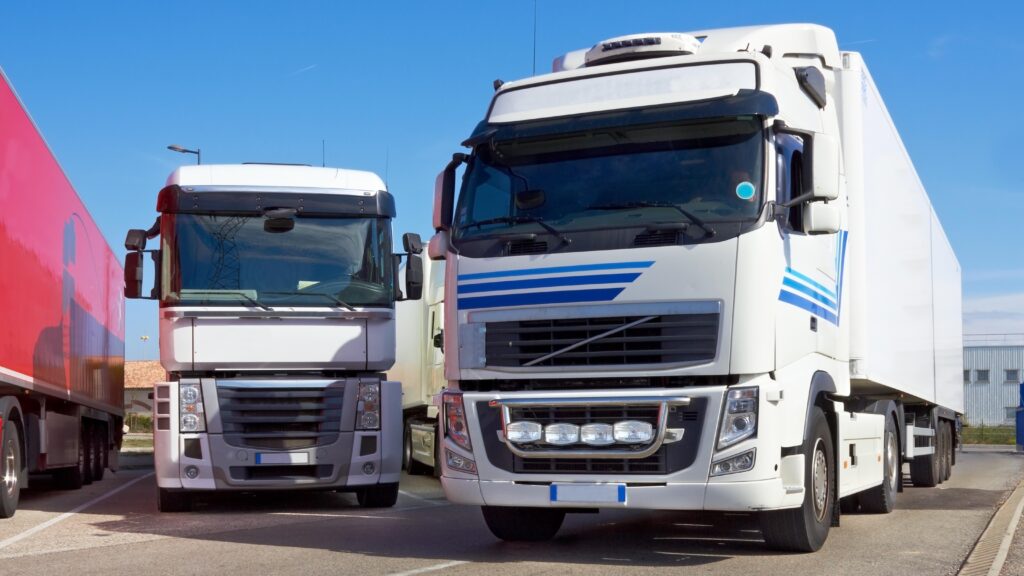
But the businesses winning today understand something different:
Trucking is not transport. It is infrastructure.
And Flux is building that infrastructure intelligently.
Every Industry Rides on a Truck
Take away long-distance trucking, and Nigeria’s economy pauses.
- Farmers cannot move produce to urban markets.
- Manufacturers cannot deliver to distributors.
- Retailers cannot replenish stock.
- Construction projects stall without materials.
- Pharmaceutical supplies fail to reach hospitals.
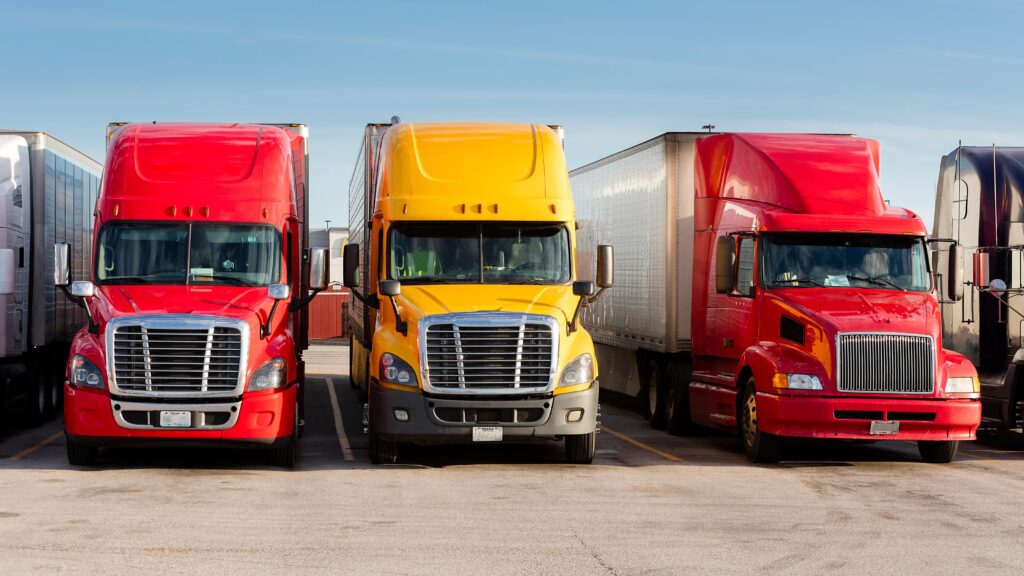
Trucking is not one sector — it supports all sectors.
According to national trade and logistics data, inefficiencies in transportation significantly impact cost of goods and distribution timelines. The strength of a country’s logistics network directly affects its competitiveness.
Which means improving trucking doesn’t just help businesses.
It strengthens the economy.
The Old Model Is Breaking
For decades, long-haul trucking in Nigeria has operated on a loose model:
- Manual coordination
- Limited route intelligence
- Minimal tracking
- Inconsistent service standards
- Reactive problem-solving
As supply chains become more complex and customer expectations tighten, this model is no longer sustainable.
Large businesses now require:
- Delivery predictability
- Real-time visibility
- Accountability
- Scalable capacity
- Risk control
In short: they need smart trucking.
What Smart Trucking Actually Means
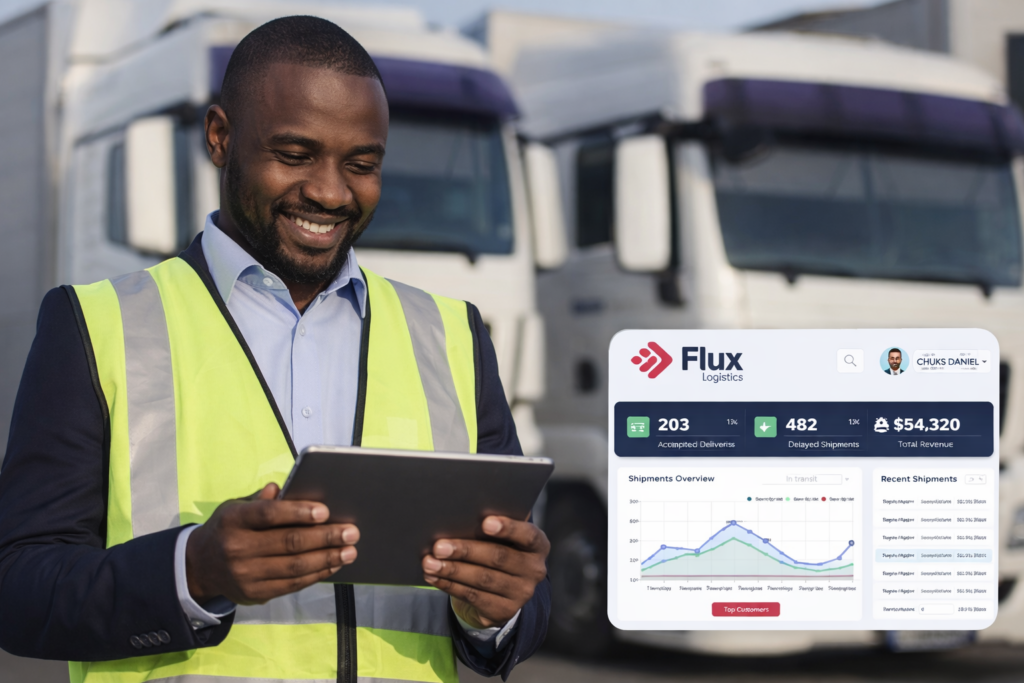
It is the integration of:
- Technology
- Structured processes
- Driver governance
- Performance monitoring
- Data-backed planning
It transforms trucking from a gamble into a managed system.
Flux was built around this philosophy.
How Flux Is Rewiring Long-Distance Trucking
1. From Guesswork to Visibility
Flux provides:
- Real-time tracking
- Live delivery updates
- ETA forecasting
- Digital proof of delivery
No more uncertainty. No more blind follow-ups. No more “Where is the truck?” moments.
For businesses, visibility reduces stress, improves planning, and enhances customer confidence.
2. From Informal to Institutional
Professional trucking requires standards.
Flux works with:
- Verified drivers
- Structured operating procedures
- Safety-aligned practices
- Performance accountability
This brings global logistics discipline into the Nigerian road transport ecosystem.
3. From Limited Capacity to Heavy-Duty Scale
Flux operates high-capacity vehicles including:
- 10T, 20T, 30T, and 40T trucks
- Trailers and flatbeds
- Container carriers
This allows businesses to move bulk cargo, industrial materials, and high-volume distribution loads efficiently across states.
4. From Fragmentation to Nationwide Coordination
Nigeria’s logistics corridors are complex:
- Lagos to Kano
- Lagos to Abuja
- Port Harcourt to Northern states
- Onitsha to Western Nigeria

Flux coordinates across these corridors with structured planning and centralized oversight — reducing route chaos and improving delivery reliability.
Why This Matters Now More Than Ever
Nigeria’s economy is expanding, urbanizing, and digitizing.
As commerce grows:
- Delivery windows tighten
- Competition intensifies
- Customer expectations rise
- Inventory cycles accelerate
Businesses cannot afford logistics instability.
Smart trucking is no longer a luxury — it is a competitive advantage.
Companies that modernize their distribution networks outperform those that rely on fragmented systems. This trend is consistent across emerging markets, as seen in global logistics studies from institutions like McKinsey and Deloitte.
Flux: Building the Roads Between Opportunity
Flux is not just moving cargo.
It is:
- Reducing supply chain risk
- Improving delivery predictability
- Supporting nationwide commerce
- Powering industrial growth
- Strengthening distribution networks
In many ways, Flux is building the invisible highways that allow Nigerian businesses to grow.
Conclusion: The Future of Nigeria Moves on Managed Wheels
The next phase of Nigeria’s economic growth will not be powered by guesswork. It will be powered by structure, data, and intelligent logistics.
Smart trucking is the invisible engine driving this transformation.
And Flux is at the wheel.