
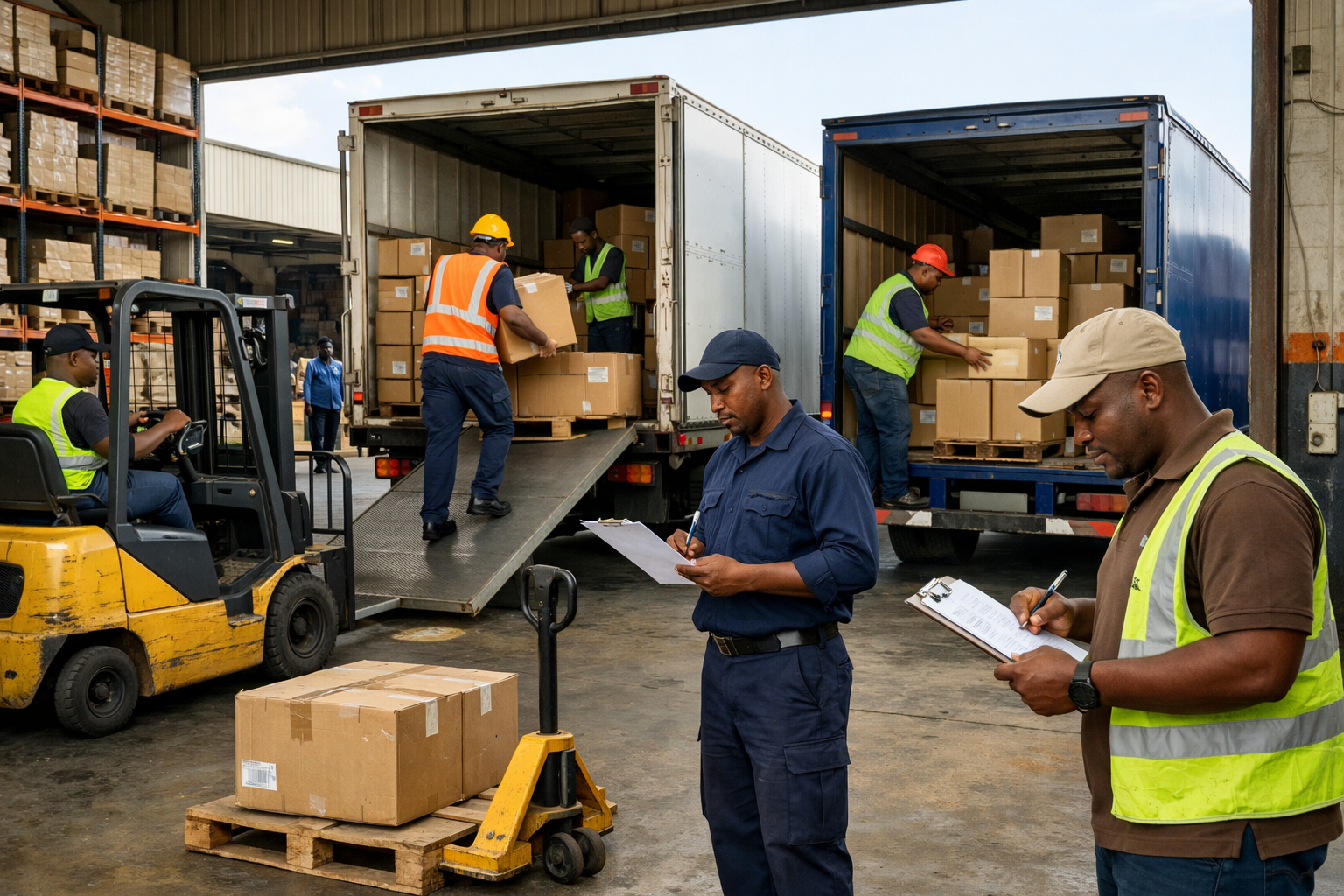
For many manufacturers, distributors, and commodity traders, outsourcing trucking services is an essential part of supply chain operations. Instead of maintaining a dedicated fleet, businesses rely on external haulage providers to move goods between factories, warehouses, ports, and distribution centers.
While outsourcing trucking offers flexibility and cost efficiency, it also introduces several risks. These risks can include delivery delays, cargo damage, theft, regulatory compliance issues, and limited shipment visibility. Without proper management, such challenges can disrupt operations and damage customer relationships.
The good news is that these risks can be significantly reduced through careful planning, partner selection, and operational controls. This article explores practical strategies businesses can use to minimize freight risks when outsourcing trucking services.
Understanding Freight Risks in Outsourced Trucking
Freight risks typically arise from gaps in communication, poor fleet management, lack of shipment visibility, or weak contractual agreements between shippers and transport providers.
Common risks include:
- Delivery delays caused by breakdowns, poor route planning, or traffic disruptions
- Cargo damage due to improper handling or unsuitable trucks
- Cargo theft or loss during transit
- Unclear liability in case of incidents
- Limited shipment tracking and visibility
Businesses that proactively address these risks are better positioned to maintain reliable logistics operations.
1. Conduct Thorough Due Diligence Before Selecting Haulage Partners
The first step to reducing freight risk is choosing the right trucking partner. Not all transport providers maintain the same operational standards, and selecting an unreliable provider can expose businesses to significant disruptions.
When evaluating trucking companies, consider:
- Years of industry experience
- Fleet size and vehicle condition
- Maintenance practices
- Insurance coverage
- Safety records
- References from existing clients
Businesses should also verify documentation such as vehicle registration, roadworthiness certificates, and goods-in-transit insurance policies. A reputable transporter should be able to provide these details transparently.

2. Use Detailed Service-Level Agreements (SLAs)
Clear contractual agreements are critical when outsourcing trucking services. A well-structured service-level agreement helps define expectations and responsibilities for both parties.
Important elements of an effective SLA include:
- Delivery timelines and transit expectations
- Communication protocols during transit
- Liability and compensation terms for damaged goods
- Breakdown and emergency response procedures
- Documentation and proof-of-delivery requirements
Clearly defined agreements reduce disputes and create accountability between shippers and transport providers.
3. Prioritize Insurance Coverage for Cargo Protection
Cargo insurance is one of the most important safeguards in outsourced freight operations. Goods-in-transit insurance protects businesses from financial losses caused by theft, accidents, or cargo damage during transportation.
When outsourcing trucking services, businesses should ensure that the transporter carries adequate insurance coverage. In some cases, companies may choose to obtain additional insurance policies for high-value shipments.
Proper insurance planning reduces financial exposure and ensures that businesses can recover quickly from unexpected incidents.
4. Implement Real-Time Shipment Tracking
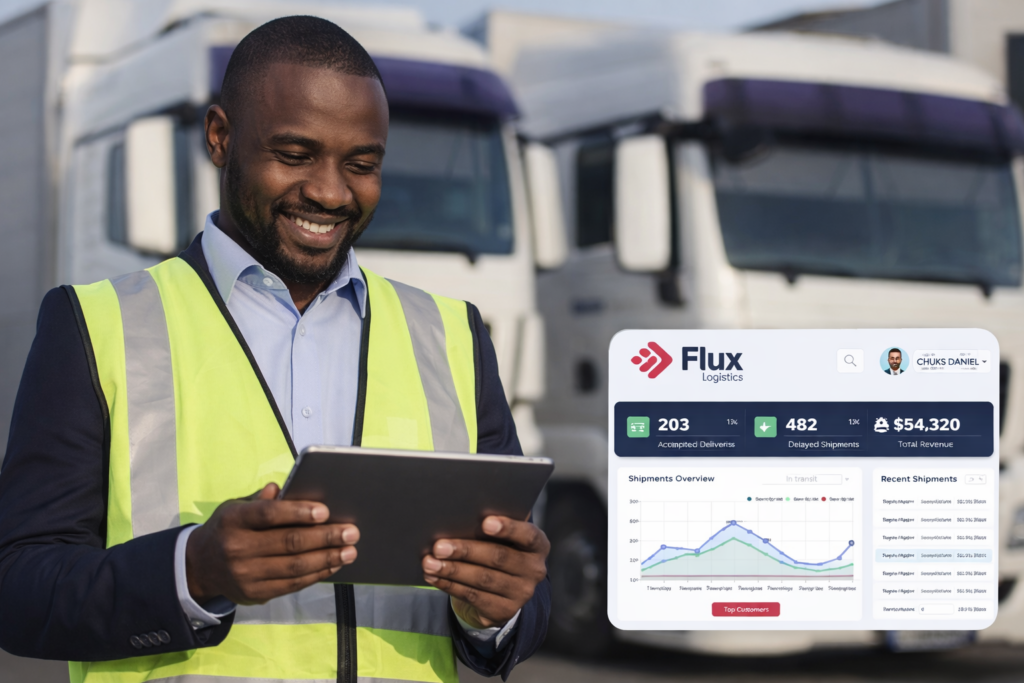
One of the most effective ways to reduce freight risk is through shipment visibility. Real-time tracking systems allow logistics managers to monitor truck movements, identify delays early, and communicate proactively with customers.
Modern logistics technology enables businesses to track shipments using GPS systems, telematics platforms, and digital logistics dashboards.
Real-time tracking offers several benefits:
- Immediate detection of route deviations
- Faster response to breakdowns or disruptions
- Accurate delivery time estimates
- Greater transparency for customers
In many cases, improved shipment visibility leads to better decision-making and faster issue resolution.
5. Ensure Proper Cargo Handling and Packaging
Cargo damage is a common risk in road freight operations. Improper loading, weak packaging, or unsuitable truck types can result in damaged goods during long-distance transportation.
To minimize this risk, businesses should:
- Use appropriate packaging materials
- Ensure goods are properly secured within trucks
- Match cargo type with the correct truck specification
- Train warehouse staff on proper loading techniques
Strong cargo handling practices significantly reduce product loss and customer complaints.
6. Establish Clear Communication Channels
Communication breakdowns are a frequent cause of freight disruptions. When businesses outsource trucking services, coordination between logistics teams, drivers, and transport providers becomes critical.
Companies should establish clear communication channels that allow quick updates on shipment status. This may include:
- Dedicated logistics contacts
- Real-time communication tools
- Structured reporting schedules
Consistent communication ensures that potential issues are identified early and resolved quickly.
7. Diversify Your Transport Network
Relying on a single trucking provider can increase operational risk. If that provider experiences capacity shortages, fleet breakdowns, or operational disruptions, shipments may be delayed.
Many companies reduce risk by building a network of approved transport partners. This allows businesses to switch providers quickly if capacity issues arise.
Diversifying transport partnerships improves supply chain resilience and reduces dependence on a single provider.
8. Monitor Performance with Key Logistics Metrics
Outsourcing trucking does not mean losing operational control. Businesses should continuously monitor transporter performance using key logistics metrics.
Important metrics include:
- On-time delivery rate
- Average transit time
- Cargo damage incidents
- Driver compliance records
- Communication response time
Regular performance reviews help identify weaknesses and maintain high service standards among transport partners.
9. Plan for Route Risks and Security Challenges
In some regions, road conditions, traffic congestion, and security concerns can affect freight movement. Effective logistics planning includes evaluating route risks and identifying safer transportation corridors.
Businesses should consider:
- Alternative transport routes
- Safe rest stops for drivers
- Travel timing strategies to avoid high-risk zones
Proactive route planning reduces delays and improves cargo security.
10. Use Technology to Strengthen Logistics Control
Digital logistics platforms are increasingly used to manage outsourced trucking operations. These systems provide centralized oversight of shipments, transporter performance, and operational data.
Technology can help businesses:
- Track shipments in real time
- Monitor fleet performance
- Manage documentation
- Improve delivery planning
By adopting digital logistics tools, companies gain better visibility and control over outsourced transportation activities.
The Strategic Value of Risk Management in Logistics
Freight risk management is not just about preventing losses—it also supports long-term operational stability. Businesses that proactively manage logistics risks benefit from:
- Improved delivery reliability
- Lower cargo loss rates
- Stronger customer trust
- More predictable transportation costs
As supply chains become increasingly complex, structured risk management practices become essential for sustainable growth.

Conclusion
Outsourcing trucking services can provide businesses with significant advantages, including flexible capacity, reduced operational costs, and access to specialized logistics expertise. However, these benefits can only be fully realized when freight risks are carefully managed.
By selecting reliable transport partners, implementing shipment tracking, strengthening contractual agreements, and using technology to monitor operations, businesses can significantly reduce the risks associated with outsourced trucking.
In today’s competitive logistics environment, companies that combine smart outsourcing strategies with strong risk management practices will be best positioned to maintain efficient and reliable supply chains.
References
- FreightWaves – Key trends and risks in the trucking industry
https://www.freightwaves.com/news/category/trucking - McKinsey & Company – Supply chain risk management and resilience
https://www.mckinsey.com/capabilities/operations/our-insights/supply-chain-resilience - Transport Geography – Freight transportation systems and logistics operations
https://transportgeography.org/?page_id=1680 - Supply Chain Digital – Digital technology in logistics and freight management
https://www.supplychaindigital.com/technology