Why Fleet Management Matters More Than Ever in Nigeria
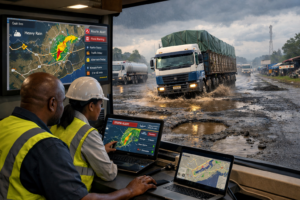
Nigeria’s economy moves on wheels. With over 90% of goods transported by road, long-distance trucking remains the dominant force behind national trade, industrial production, and consumer access (World Bank Logistics Performance Index). Yet, while trucking dominates, fleet management — the system that ensures trucks, drivers, routes, and deliveries work in harmony — has historically been underdeveloped.As supply chains grow more complex and customer expectations rise, businesses can no longer rely on informal trucking arrangements. Manufacturers, distributors, and multinational companies now demand predictability, visibility, compliance, and scale. This shift places professional fleet management at the center of Nigeria’s logistics evolution.
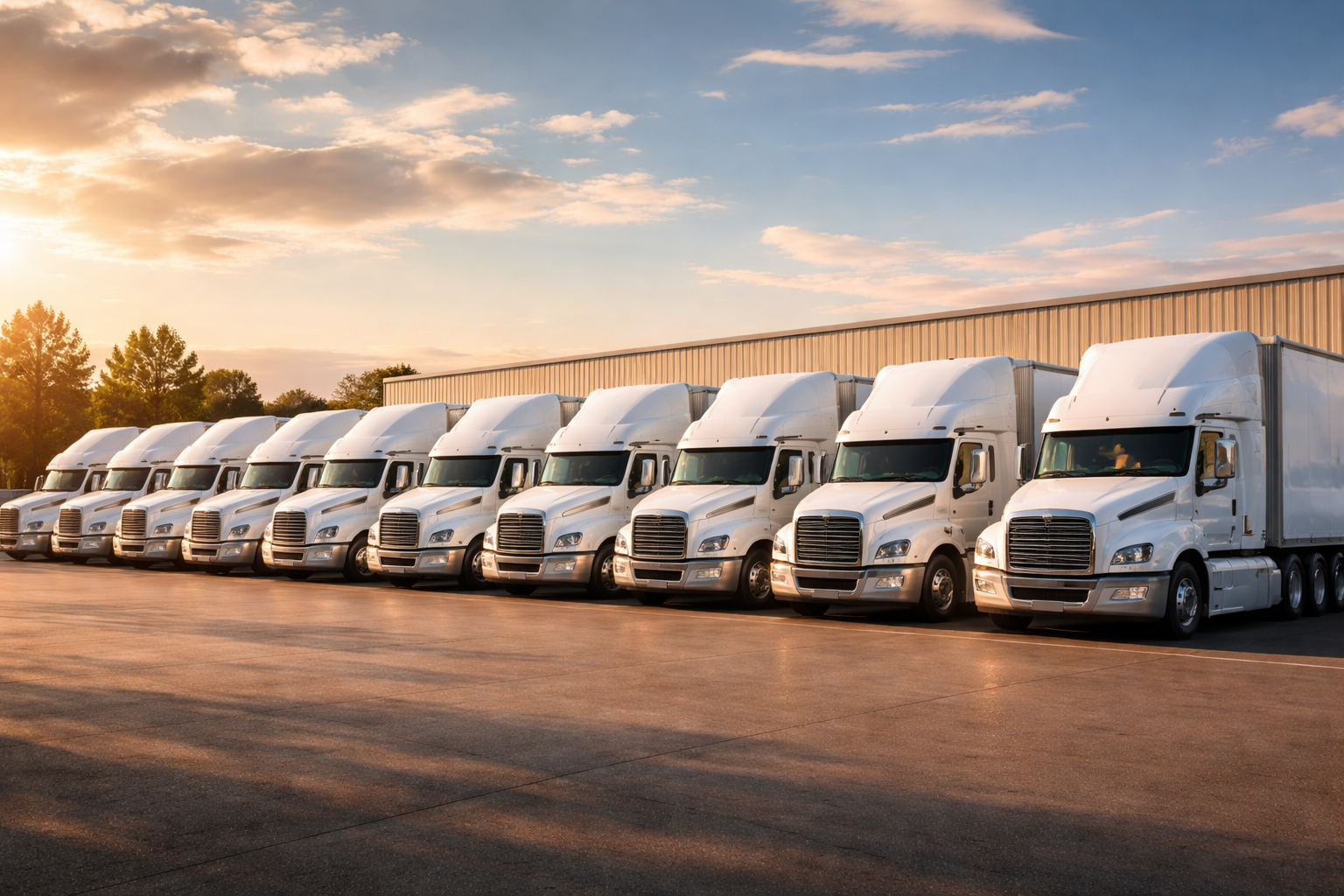
Flux by Matta is leading this transformation by applying structured fleet management principles to long-distance haulage — combining technology, governance, and heavy-duty capacity to deliver reliable interstate logistics at scale.
Understanding Fleet Management in the Nigerian Context
Fleet management goes far beyond owning trucks. It is the end-to-end coordination of vehicles, drivers, technology, routes, maintenance, safety, and performance data to ensure goods move efficiently from origin to destination.
In Nigeria, effective fleet management plays a critical role in:
- Reducing supply chain disruptions
- Controlling logistics costs
- Improving delivery timelines
- Enhancing cargo security
- Supporting national economic productivity
According to insights aligned with McKinsey Africa and Deloitte Africa logistics studies, countries with structured transport and fleet systems consistently outperform peers in trade competitiveness, inventory turnover, and industrial output.
Why Fleet-Managed Long-Distance Trucking Is Critical to Nigeria’s Supply Chain
1. Connecting Production Hubs to Consumption Markets
Nigeria’s manufacturing clusters — from Lagos and Ogun to Aba, Onitsha, and Kaduna — depend on long-haul trucks to reach distributors and retailers nationwide. Without structured fleet management:
- Factory output piles up
- Warehouses face stockouts
- Market access becomes unreliable
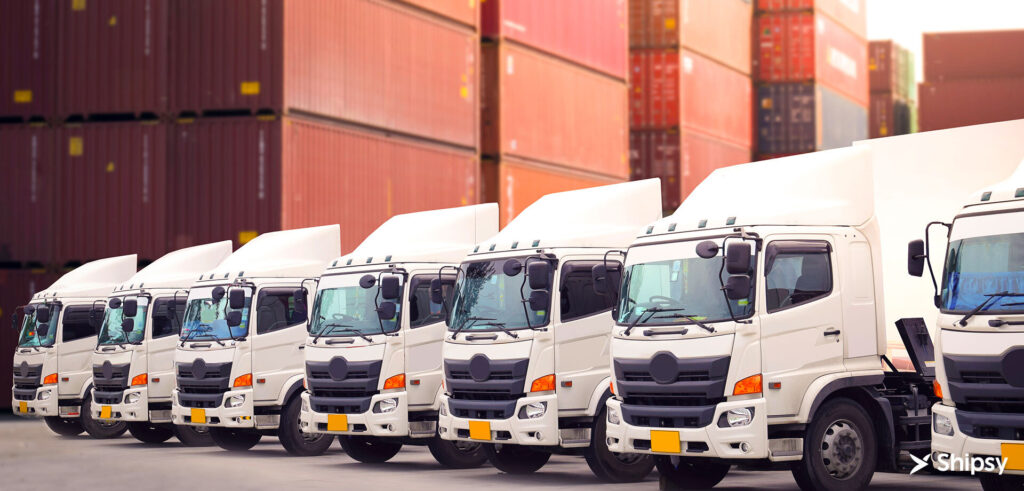
A managed fleet ensures continuous flow, linking factories to warehouses, ports, and regional markets with minimal downtime.
2. Enabling Large-Scale, Multi-State Distribution
Deloitte Africa’s logistics research highlights that poor coordination and lack of visibility are among the biggest causes of distribution delays across FMCG, retail, and industrial supply chains.
Fleet management solves this by:
- Synchronizing dispatch schedules
- Optimizing route selection
- Monitoring vehicle performance
- Coordinating multiple deliveries simultaneously
This enables businesses to scale distribution confidently across multiple states without losing control.
3. Supporting Nigeria’s Most Critical Industries
Virtually every major sector in Nigeria relies on long-distance, fleet-managed trucking:
- Agriculture: farm produce, fertilizers, grains
- FMCG: beverages, packaged foods, household goods
- Construction: cement, steel, heavy equipment
- Manufacturing: finished goods and components
- Industrial raw materials: chemicals, machinery
- Pharmaceuticals: medical supplies requiring reliability and compliance
In these sectors, one delayed truck can disrupt entire supply chains, leading to financial losses and reputational damage.
The Real Challenges Facing Fleet Operations in Nigeria
Despite its importance, long-distance trucking in Nigeria faces systemic challenges that only structured fleet management can address:
- Poor and inconsistent road infrastructure
- High incidence of unverified or undertrained drivers
- Lack of real-time vehicle and cargo visibility
- Frequent vehicle breakdowns due to poor maintenance
- Communication gaps between shippers and drivers
- Unplanned route disruptions and security risks
Without professional oversight, these issues increase costs, delays, and operational risk.
How Flux by Matta Is Redefining Fleet Management in Nigeria Flux by Matta approaches long-distance trucking not as transport, but as a managed logistics system. Every movement is planned, monitored, and optimized.

1. Technology-Driven Fleet Visibility and Control
Flux by Matta integrates digital tools across its fleet operations to provide enterprise-level transparency, including:
- Real-time GPS vehicle tracking
- Intelligent route planning and optimization
- Automated ETA forecasting
- Live delivery status updates
- Digital proof of delivery and reporting
This level of visibility allows businesses to plan production, inventory, and sales with confidence.
2. Verified Drivers and Standardized Fleet Governance
Driver reliability is central to fleet performance. Flux applies vetting and compliance standards aligned with global best practices similar to the International Road Transport Union (IRU) guidelines.
This includes:
- Background-checked and trained drivers
- Standardized operating procedures
- Safety and compliance monitoring
- Clear accountability structures
The result is reduced risk, improved safety, and consistent service quality.
3. Heavy-Duty Fleet Built for Scale and Complexity
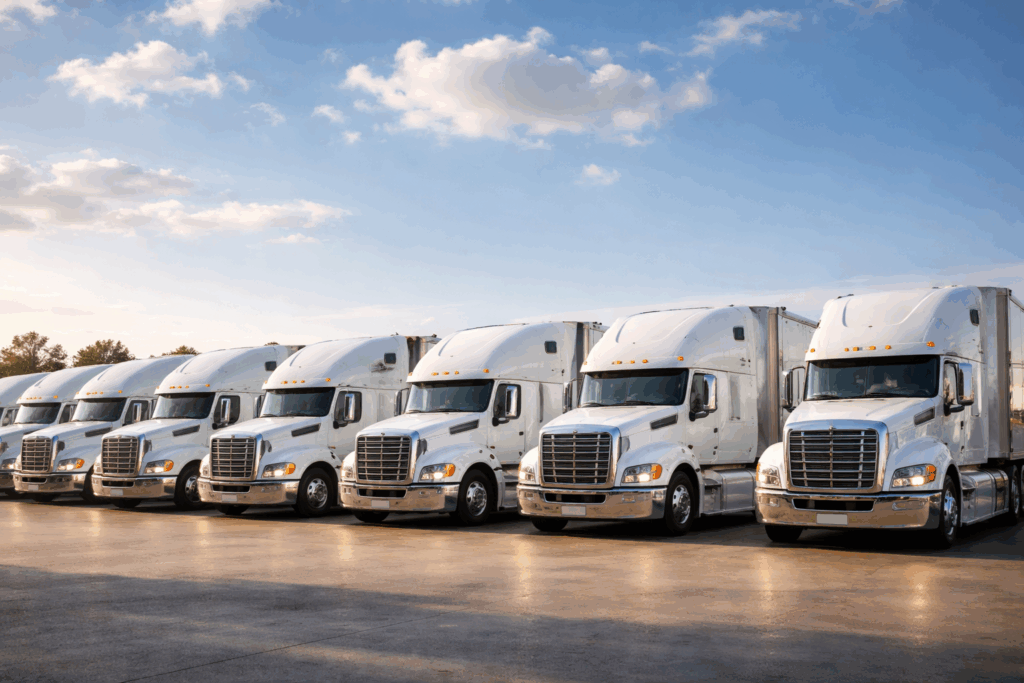
Flux by Matta operates a diverse fleet designed for Nigeria’s most demanding logistics needs, including:
- 10-ton, 20-ton, 30-ton, and 40-ton trucks
- Heavy trailers
- Flatbeds for oversized cargo
- Container carriers for port and inland haulage
This allows Flux by Matta to handle everything from bulk FMCG distribution to industrial and infrastructure logistics.
4. Nationwide Coverage Across Strategic Trade Corridors
Flux’s fleet operates across Nigeria’s most critical logistics routes, including:
- Lagos → Kano
- Lagos → Abuja
- Onitsha → Ibadan
- Ibadan → Kaduna
- Port Harcourt → Northern Nigeria
This nationwide footprint ensures businesses can move goods seamlessly across regions from a single, trusted fleet partner.
5. Reduced Operational Risk Through Centralized Management
By managing planning, coordination, communication, and monitoring centrally, Flux removes the operational burden from clients.
Businesses benefit from:
- Fewer delivery surprises
- Reduced downtime and loss
- Predictable transit timelines
- Improved cost control
- Stronger supply chain resilience
Conclusion: Fleet Management Is the Future of Nigerian Logistics
As Nigeria’s economy grows and supply chains become more complex, fleet management is no longer optional — it is strategic infrastructure.
Long-distance trucking remains the lifeline of national commerce, but only professionally managed fleets can deliver the reliability, visibility, and scale modern businesses require.Flux by Matta is setting a new benchmark for fleet management in Nigeria — bringing structure, safety, technology, and heavy-haul capability to an industry that powers the nation’s supply chain.
References
- World Bank Logistics Performance Index – https://lpi.worldbank.org
- Deloitte Africa Logistics & Transport Insights – https://www2.deloitte.com
- McKinsey Africa Supply Chain & Infrastructure Insights – https://www.mckinsey.com/featured-insights
- International Road Transport Union (IRU) Standards – https://www.iru.org
- National Bureau of Statistics (Nigeria) – https://nigerianstat.gov.ng