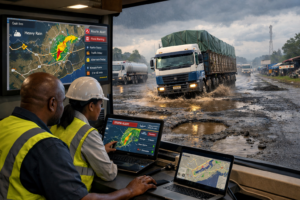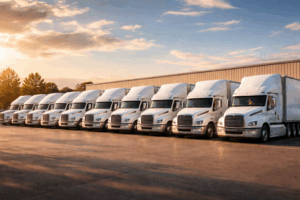
For businesses operating across multiple states in Nigeria and Africa, haulage efficiency is a critical factor in maintaining supply chain reliability, reducing costs, and meeting customer expectations. Managing long-distance road freight across diverse geographies comes with challenges, including poor road conditions, security risks, fluctuating fuel costs, and variable truck availability.
However, by adopting strategic planning, technology, and operational best practices, companies can significantly improve haulage efficiency and scale their distribution operations effectively.
This article explores practical strategies businesses can implement to optimize multi-state haulage operations.
Understanding the Challenges of Multi-State Haulage
Operating across multiple states introduces complexities such as:
- Infrastructure variability: Road quality varies significantly between states, leading to increased travel times and truck maintenance costs.
- Traffic and congestion: Major cities like Lagos, Abuja, and Port Harcourt experience heavy congestion that can disrupt schedules.
- Regulatory differences: Each state may have different road permits, axle load restrictions, or toll requirements.
- Security risks: Some corridors are prone to cargo theft, necessitating route planning and security measures.
- Fuel and operational cost variability: Fuel stations, maintenance facilities, and service costs can vary between regions.
Understanding these challenges is the first step toward improving haulage efficiency.
1. Plan Routes Strategically
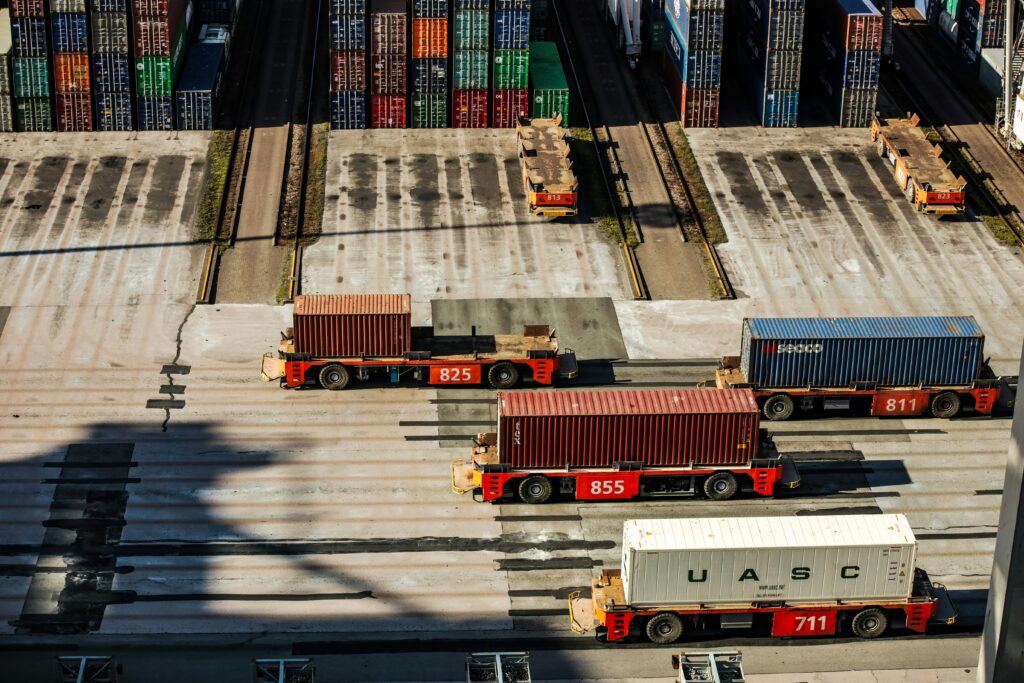
Efficient route planning reduces travel time, fuel consumption, and vehicle wear.
Key considerations include:
- Use route optimization software: Digital tools can suggest the fastest and safest routes based on traffic, road conditions, and historical travel data.
- Avoid congestion hotspots: Schedule departures to bypass peak traffic hours in major cities.
- Leverage alternative routes: Have backup routes ready in case of road closures, accidents, or security incidents.
Platforms like Google Maps for Business or logistics-focused tools like FleetOps and Kobo360 provide route optimization features. (fleetops.co)
2. Standardize Fleet Maintenance
Breakdowns are a major source of delays in multi-state haulage. Implementing a preventive maintenance program ensures that trucks remain roadworthy and reduces unexpected downtime.
Best practices include:
- Scheduling routine inspections and servicing
- Monitoring tire conditions and fuel efficiency
- Keeping a record of maintenance schedules and repairs
- Training drivers to report issues early
A disciplined maintenance schedule enhances reliability and reduces repair costs. (fleetowner.com)
3. Adopt Technology for Tracking and Visibility
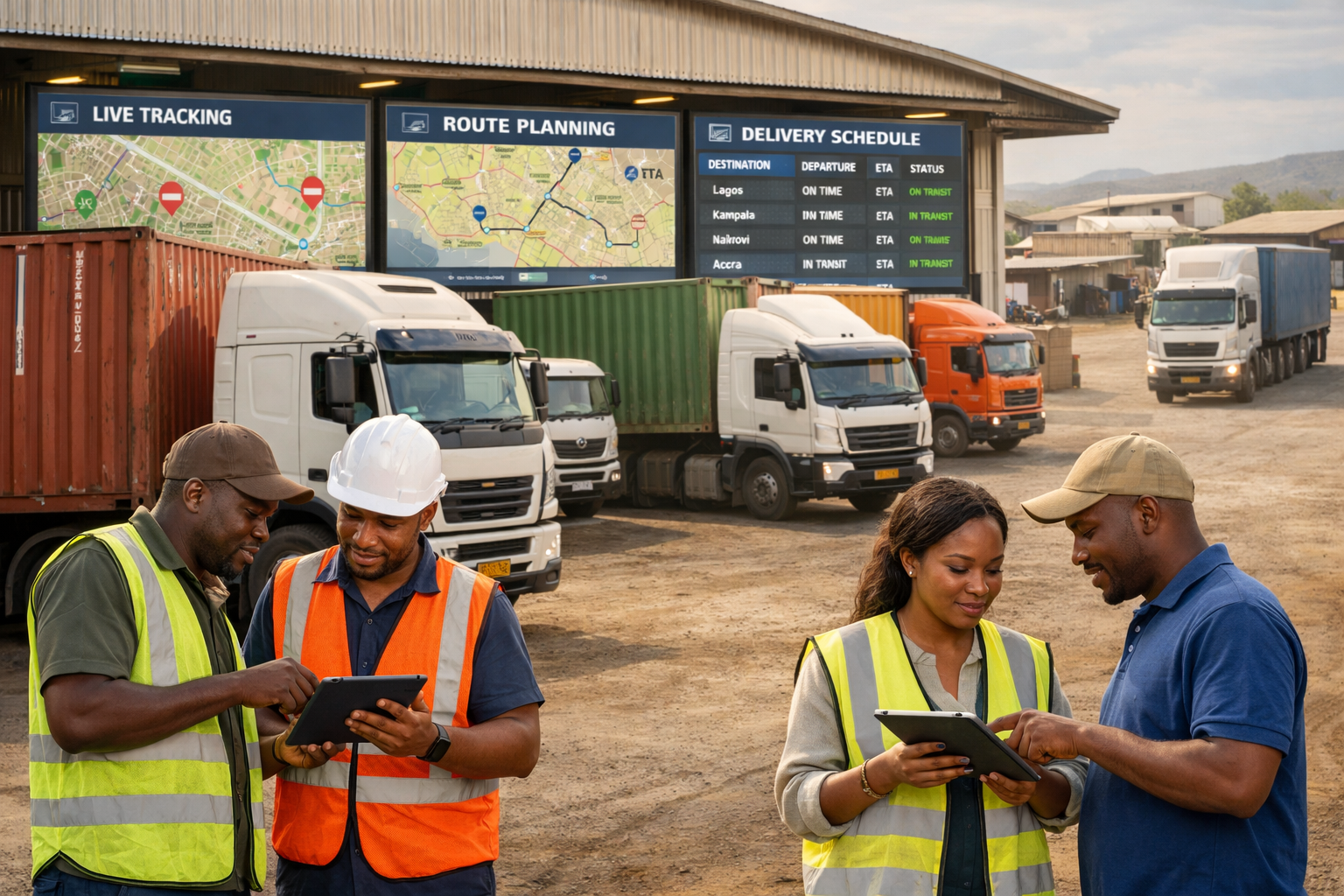
Real-time tracking and fleet visibility are crucial for multi-state operations. GPS and telematics systems enable companies to monitor:
- Truck location and speed
- Estimated time of arrival (ETA)
- Driver behavior and compliance
- Fuel usage and route efficiency
By using platforms such as Samsara or FleetXchange, logistics managers can identify bottlenecks, optimize scheduling, and respond quickly to delays. (fleetxchange.africa)
4. Optimize Load Management
Maximizing truck utilization is essential for efficiency:
- Consolidate shipments: Combine smaller shipments heading in the same direction to reduce trips.
- Match truck type to cargo: Use refrigerated trucks for perishables, flatbeds for bulky items, and container trailers for manufactured goods.
- Minimize empty miles: Plan return trips with cargo or use backhauling services to avoid unproductive journeys.
Efficient load management reduces fuel costs and increases revenue per trip. (supplychaindigital.com)
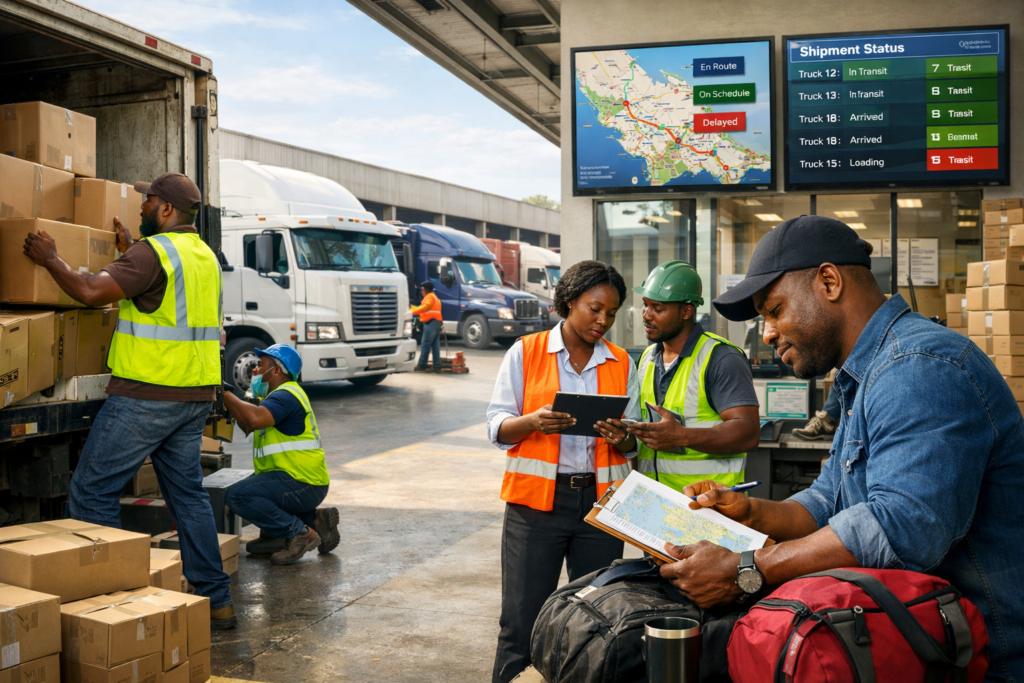
5. Train and Motivate Drivers
Drivers are critical to haulage efficiency. Proper training and incentives improve safety and timeliness:
- Route familiarity: Drivers should know the roads, rest stops, and checkpoints across all operating states.
- Safety training: Defensive driving, vehicle handling, and cargo security protocols reduce accidents and damage.
- Performance incentives: Reward drivers for timely deliveries, fuel efficiency, and compliance with company policies.
Investing in drivers improves delivery reliability and reduces operational risks.
6. Standardize Documentation and Compliance
Multi-state operations require strict compliance with transport regulations:
- State permits and road taxes: Ensure trucks carry valid documentation for every state.
- Vehicle registration and insurance: Maintain up-to-date insurance and registration for all trucks.
- Goods-in-transit documentation: Use digital records to streamline checkpoints and reduce delays.
Digital platforms can automate documentation management, minimizing human error and speeding up border or state inspections. (mckinsey.com)
7. Monitor Key Performance Metrics
To measure haulage efficiency, track key performance indicators (KPIs):
- On-time delivery rate
- Average transit time per route
- Fuel efficiency per truck
- Breakdown frequency
- Driver compliance rate
Regularly reviewing KPIs allows logistics managers to identify inefficiencies, improve planning, and make data-driven decisions.
8. Use On-Demand Trucking Solutions for Peak Loads
Multi-state operations often face fluctuating demand. On-demand trucking platforms such as Kobo360 or Lori Systems provide flexible capacity during peak periods:
- Rapid access to additional trucks
- Reduced risk of missed deliveries
- Competitive pricing based on real-time availability
Combining dedicated and on-demand capacity helps businesses maintain efficiency without overcommitting resources. (techcabal.com)
9. Implement Safety and Security Measures
Ensuring the safety of goods and drivers is vital:
- Security escorts: For high-value shipments along risky corridors
- Secure parking and rest stops: Prevent theft and driver fatigue
- Real-time monitoring: Use GPS tracking to detect unauthorized stops or deviations
Effective security planning minimizes losses and maintains operational efficiency.
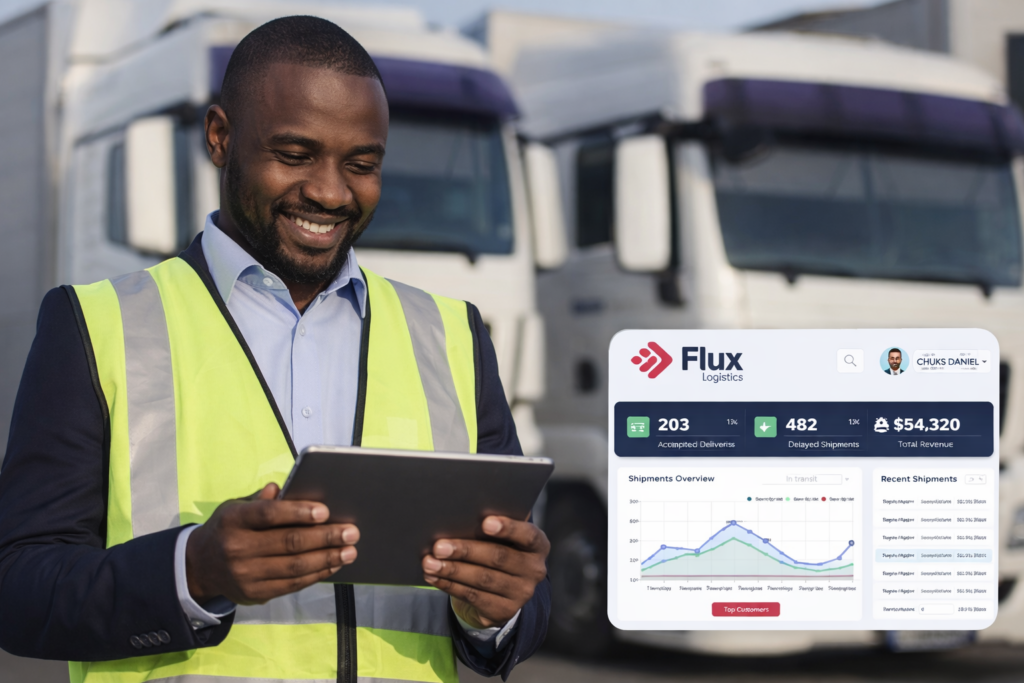
10. Foster Strong Transport Partnerships
Building long-term relationships with trucking companies, fleet operators, and logistics providers enhances efficiency:
- Reliable truck availability across states
- Better negotiation of rates and service terms
- Coordinated problem-solving during disruptions
Strong partnerships reduce uncertainty and create smoother haulage operations.
Conclusion
Improving haulage efficiency across multiple states requires a combination of strategic planning, technology adoption, driver training, and operational discipline. By optimizing routes, standardizing fleet maintenance, leveraging digital platforms, and monitoring performance, businesses can reduce delays, cut costs, and scale their multi-state distribution effectively.
In Africa’s complex logistics environment, companies that adopt data-driven and tech-enabled haulage strategies gain a significant competitive advantage. Efficient multi-state haulage is no longer just about moving goods—it is about delivering reliability, controlling costs, and building customer trust.
References & Outbound Links
- Fleet Owner – Reducing breakdowns through predictive maintenance
https://www.fleetowner.com/maintenance/asset-management/article/21714485/reducing-breakdowns-through-predictive-maintenance - FleetXchange – Digital freight tracking and monitoring platform
https://fleetxchange.africa - Supply Chain Digital – On-demand logistics and flexible freight solutions
https://www.supplychaindigital.com/technology/on-demand-logistics-powering-flexible-freight-solutions - McKinsey & Company – Supply chain visibility and performance metrics
https://www.mckinsey.com/industries/travel-logistics-and-infrastructure/our-insights/supply-chain-visibility-the-next-big-step-forward - TechCabal – Digital freight solutions in Africa
https://techcabal.com/2021/10/18/oneport-365-digitization-of-the-freight-industry-in-africa/